

About The MWell Project
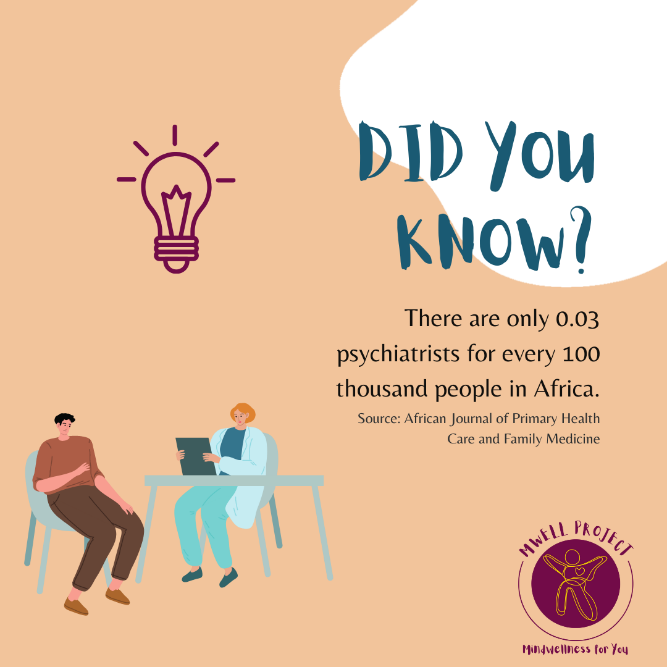
According to the WHO, about 12% of people in Sub-Saharan Africa live with mental illness, a figure that will likely go up due to the impacts of COVID 19. Rwanda has taken strategic and focused strides in addressing mental health, and is one of the leading states in Africa to have a national mental health policy. In 2018, Rwanda’s updated strategic plan for its health sector set ambitious new targets for expanding mental health care services within the community. Support is primarily given towards healing survivors of the 1994 genocide and patients diagnosed with mental illness and disorders.
According to biomed central, in Zambia, the prevalence of mental disorders is approximately 20 per cent. Common mental disorders include acute psychotic episodes, schizophrenia, affective disorders, alcohol-related problems and organic brain syndromes. The potential causes of mental health conditions include stressful family relationships, infections such as malaria, meningitis, syphilis and HIV, use, and the use and dependence on alcohol and other psychotropic substances. Poverty increases susceptibility to mental health conditions. About 60 per cent of Zambians are classified as poor poverty defined as the lack of access to employment, income, freedom on which goods and services to consume, and a lack of other basic needs. A significant portion of individuals with severe and persistent mental health conditions live in rural areas.
However, the everyday corporate citizen does not easily access nor associate themselves with mental healthcare services . Mind health for the corporate and everyday citizen is a silent subject matter, as It is shrouded in stigma . Family values, cultural expectations, societal ethics and Africa’s history, have shaped people’s perception of who needs to receive mental counselling services. As a result, the everyday person does not have the comfort of accessing such services, due to fear of confidentiality breaches and social prejudice.
There is a lack of awareness in Africa on mind health service as a lifestyle choice for happier, and more productive livelihoods. The traditional narrative on mental health stigma prevails in everyday life, making it difficult for the corporate citizen to willingly access such services. This has led to a high number of working class people are fully exposed to stress, burnouts, depression and with no visible professional environment to effectively address this challenge.
It should be noted that increased mental unwellness for the corporate citizen will lead to absenteeism in the workplace, low employee productivity and directly affects the profitability and sustainability of organisations/companies. Secondly, if mind health services were provided as a complimentary to other medical services there would a significant reduction in medical insurance costs for an employer.
The Project’s objective is two fold;
- To normalise mind health for the corporate citizen as a lifestyle choice that is just as important to one’s wellbeing as nutritional and physical health.
- Provide wellness services to working class people and employers, towards improving wellbeing , productivity in the workplace.
Mwell Project
An increase in mental unwellness for everyone will lead to a decrease in productivity, employee morale, and general desire to produce excellent work, but how do we create a general sense of awareness within our community to fight the battle of the mind and quench our combined mental thirst? Through The MWell Project, we will begin the awareness and advocacy process by launching a one month campaign that will run on social media.
This platform will communicate the main challenges of mental wellness and practical solutions available for everyone.It provides interesting information on the following key topics;
The mental health stigma
Burnout
Depression
Therapy as a solution


